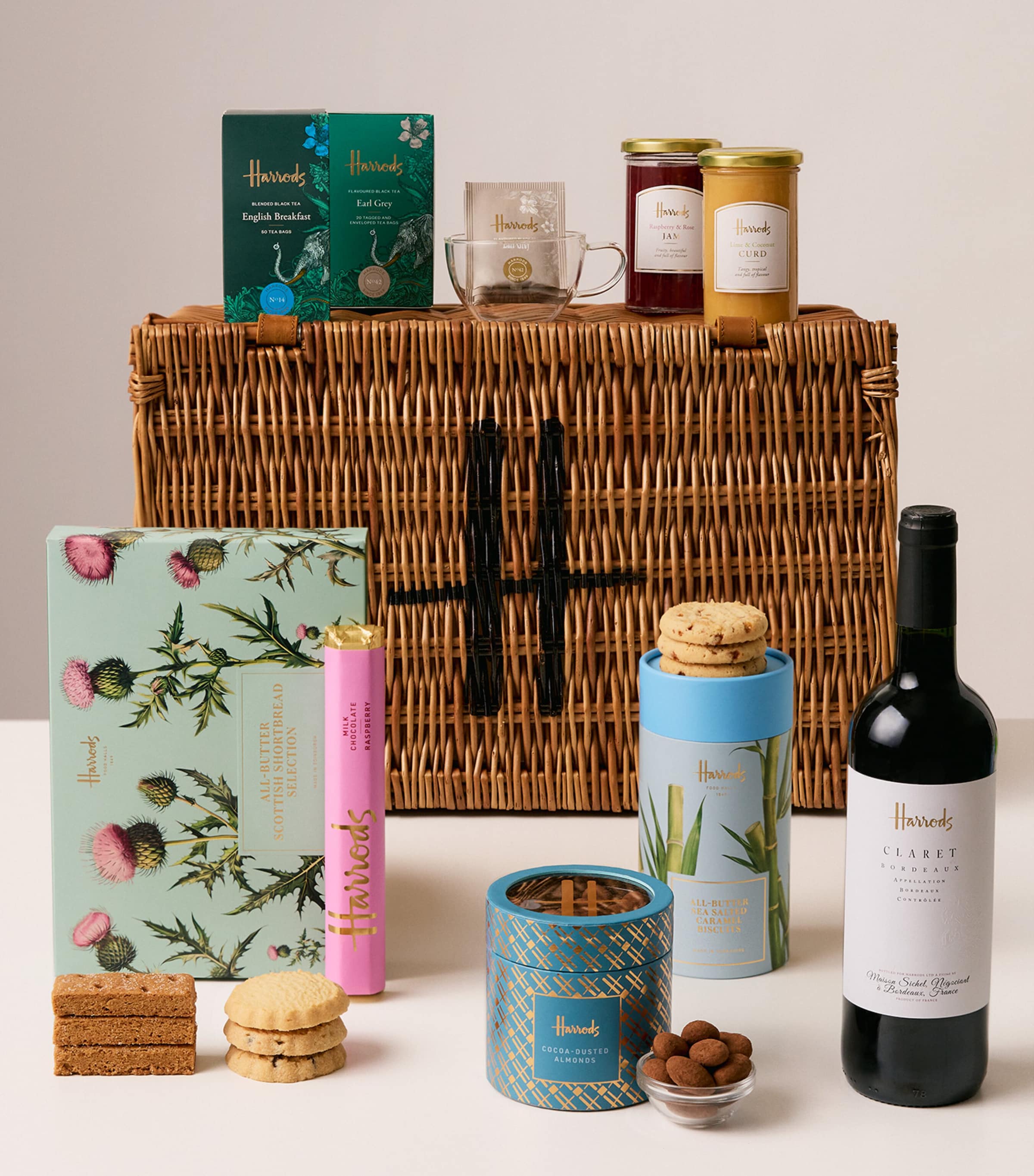
How Do I Combine Different Interests into One Cohesive Hamper? The Ultimate Guide
If you’ve ever spent hours scrolling through Pinterest, only to realize your dream gift basket contains everything from artisanal sourdough starters to vintage space posters and hypoallergenic alpaca socks, congratulations—you are a curator. You have diverse tastes, which is wonderful, but when the mission is to create one cohesive hamper, the sheer volume of awesome ideas can feel overwhelming. How do you make disparate passions look like they belong together on a single velvet-lined tray? It feels impossible until you realize that "cohesion" isn't about sameness; it's about shared feeling.
This guide is your blueprint for moving past the scattered pile of lovely, yet unrelated things, and mastering the art of selection. We aren't just making a box of random nice things; we are building a narrative experience. By understanding underlying themes—whether that theme is "Cozy Autumn Reads," "Mid-Century Modern Productivity," or "Tropical Getaway"—you can solve the seemingly impossible question: how do I combine different interests into one cohesive hamper?
The Philosophy of Curating: Shifting Your Focus from Objects to Experiences
Before you buy a single item, you must shift your mindset. Most amateur curators think they are buying products; professional curators think they are selling an experience. A collection of items is just inventory until you give it a story.
The biggest mistake people make when trying to combine different interests is focusing solely on the individual objects' aesthetics (e.g., "It’s blue," or "It has wood"). Instead, focus on the vibe they create together. What mood does this hamper evoke? Is it restful? Exciting? Nostalgic?
Think of your hamper not as a collection, but as an invitation. It's saying, "When you open me, please take a moment and feel this." This mental reframing is the most valuable tool in your arsenal. You are selling the moment of unwrapping, not just the contents.

Identifying the Overlap: Finding the Shared DNA Between Interests
The key to answering how do I combine different interests into one cohesive hamper? lies in finding the common denominator—the shared "DNA" that links your seemingly unrelated passions. This can be a sensory element, an emotional state, or even a specific time of day.
The Sensory Bridge (Smell, Touch, Sound)
The easiest bridge to build is through the senses. If you love gardening, but also enjoy deep-sea diving, don't try to put a snorkel next to a trowel. Instead, find items that share an aromatic profile or a textural feel. For example:
- Scent: Lavender (calm/garden) paired with cedarwood (outdoors/rest).
- Texture: Rough linen (natural/rustic) paired with soft wool (comfort/cozy).
The Activity Bridge (The Use Case)
Alternatively, you can anchor the hamper around a single activity. If one interest is journaling and another is brewing tea, the overlap isn't "tea" or "paper"—it's the act of slow contemplation. Every item should feel like it belongs in the same ritual. What are you doing while enjoying this gift? Answering that question will guide your choices better than any color palette ever could.
Establishing a Narrative Thread: The Glue That Holds It All Together
If the sensory bridge is finding common ground, the narrative thread is giving that common ground a storyline. This story—this "glue"—is what elevates your hamper from merely nice to truly magical.
A strong narrative usually revolves around a specific concept or place (e.g., "A Rainy Parisian Afternoon," or "The Perfect Cabin Weekend"). Every item should feel like it was collected on the same journey. For instance, if you are creating a hamper for a book lover who also loves baking, don't just mix books and flour. The story becomes: "Everything needed for a perfect rainy day spent inside."
This is where an anecdote helps. I once curated a gift basket for a friend whose interests spanned astrophysics, knitting, and cocktail making. Instead of focusing on the items (stars, yarn, bitters), I focused on the setting. The narrative became "A Night Under the Stars in the City." This meant choosing deep midnight blues, constellations printed on coasters, and specialized gin that tasted faintly of botanicals reminiscent of distant galaxies. It was a story told through objects.
As renowned designer Mary Blair once noted, "Creativity is intelligence having fun." Your hamper should feel Luxury Gifts like intelligent fun—a playful nod to the recipient's complex inner world.
Do you find yourself getting stuck? Try asking: If I could only use one word to describe this person’s current emotional need, what would it be? That single word will become your narrative compass.
The Polish: Making the Unrelated Feel Intentional
Once you have chosen items that share a story or sense, the final step is presentation. This requires treating the packaging as if it were a fifth, essential item. Never just dump things into a box!
- Layering: Use natural fillers (wood shavings, crinkle paper) to elevate key items and give the hamper depth.
- Color Palette: Even if your interests are varied, restrict your supporting colors (ribbons, tags, filler) to two or three complementary tones—e.g., muted sage green, cream, and gold foil. This immediately grounds the entire piece.
- Grouping: Never let items sit isolated. Group related pieces together so that even if the interests are different, they visually support each other (e.g., stack the tea bags next to the book bookmark).
Remember, when figuring out how do I combine different interests into one cohesive hamper?, sometimes the simplest solution is the most elegant: consistency in presentation overcomes minor thematic clashes.
Beyond the Hamper: Curating Lives of Delight
Mastering the art of curating a single physical gift gives you skills that are infinitely valuable in life, career, and friendship. The ability to see patterns and connections between disparate elements—be it ideas for a project or shared memories with a friend—is powerful.
As you continue to practice crafting these narrative baskets, think about the recipient’s next experience. How can the materials inside transition them from passive enjoying (reading) to active doing (baking)? By always planning for the next step in the story, your curation skills will grow exponentially. Start small: apply this framework when selecting a gift card pairing or even just arranging items on Father's Day Celebration a shelf. The goal is not just to make one beautiful box; it is to become fluent in visual storytelling.