The Art of Presentation: Making a Gift Hamper Look Effortlessly Luxurious
If you’ve ever bought a beautiful, thoughtfully curated gift hamper—say, one filled with gourmet cheeses, smoked salmon, and an aged bottle of whiskey for your father—you know the feeling. You have all these wonderful things, but when it comes time to present it, suddenly the sheer volume of quality goods feels… underdressed.
The gifts themselves are perfect. The effort in selecting them is clear. But how do you take a collection of incredible items and make them look less like an assortment and more like a curated experience? This isn't just about wrapping; it’s about presentation psychology. It’s the difference between receiving a box of nice things, and receiving a moment of pure delight.
For those who feel the pressure to deliver that perfect "wow factor" gift—especially when time is short but expectation is high—understanding the mechanics of luxurious presentation can be your greatest secret weapon. You don't need professional wrapping skills; you just need a few structural concepts.
Choosing Your Vessel: The Foundation Matters Most
Before you even think about ribbons or shredded paper, you must address the container. The hamper basket, box, or crate is part of the gift. If the vessel looks cheap, every beautiful item inside will suffer from association.
Consider these guiding questions when selecting a base:
- Does the material match the contents? (E.g., rustic wood for gourmet charcuterie; sleek black box for tech/whiskey).
- Is it sturdy enough to handle travel or being opened multiple times?
- Does it feel weighty and substantial in your hands?
The best baskets are often woven from natural materials like seagrass, rattan, or even a simple, high-quality wooden crate. These choices instantly lend an air of permanence and Click here to find out more quality that printed cardboard cannot match. The container sets the tone; treat it as such.
Layering Like a Curator: Making Every Item Look Intentional
The biggest mistake people make is simply piling things into a box until it’s full. A luxury hamper should never look haphazardly stuffed. It must appear designed. This requires thinking in terms First-Time Father of layers, negative space (the beautiful empty pockets), and texture.
Think of your presentation process as visual architecture. Each item needs to have room to breathe, allowing the recipient's eye to appreciate its shape and quality individually, while still feeling cohesive when viewed as a whole.
How to achieve that curated look:
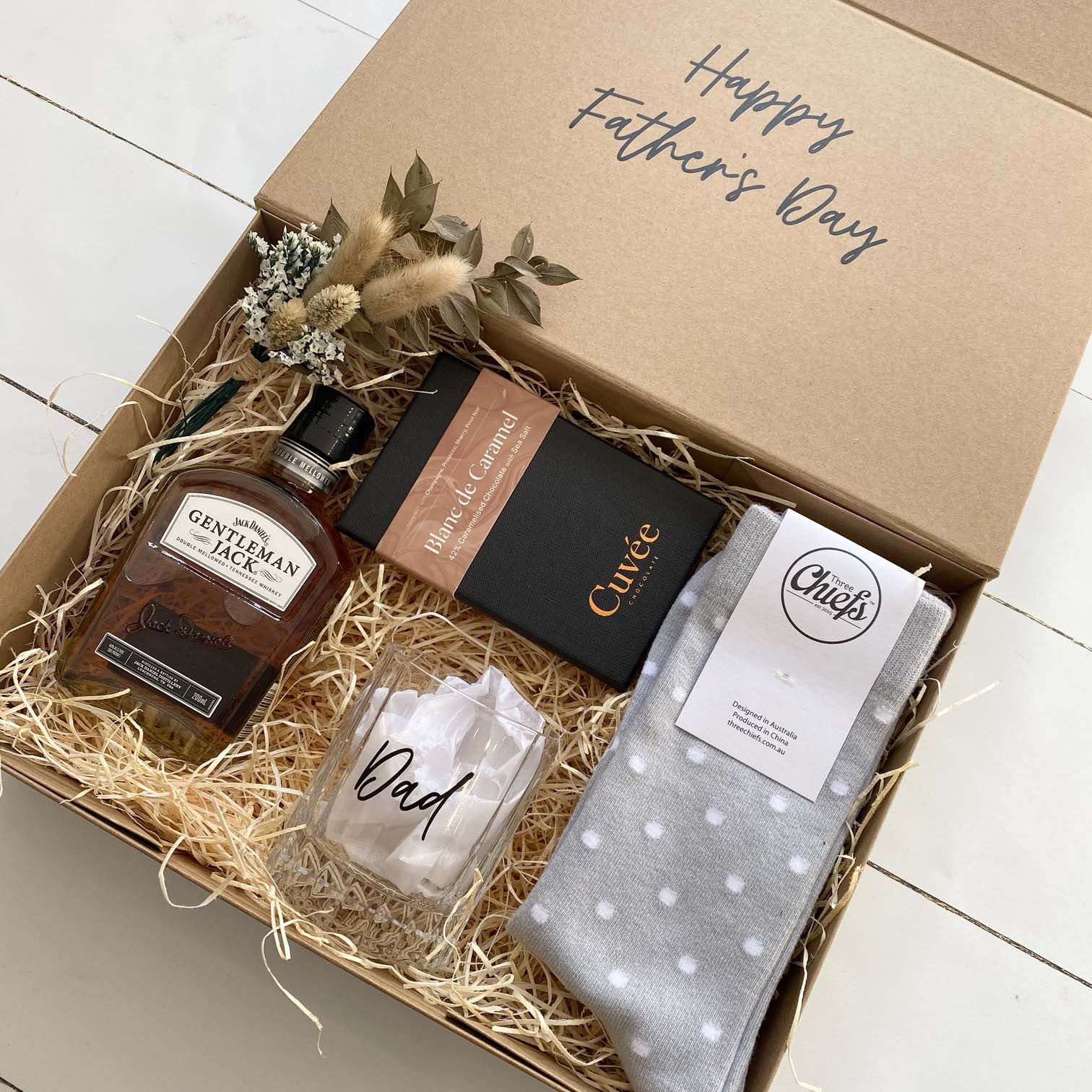
- The Base Layer (Cushioning): Use filler—but don't settle for cheap crinkle paper. Opt for shredded excelsior wood wool, natural straw wrapping, or high-quality tissue paper that matches the dominant color palette of your gifts. This layer provides lift and visual anchor.
- Grouping by Theme: Never place a small jar randomly next to a large book. Group related items together. If you have three types of artisan chocolate, stack them in a neat pyramid formation rather than scattering them around. This creates pockets of visual harmony.
- The "Hero" Placement: Identify the centerpiece item (e.g., a beautifully bound journal, or the main bottle). Place this elevated and slightly visible near the top center. It acts as the visual anchor that grounds the entire composition.
The Details That Speak Volumes: Finishing Touches
Once the contents are artfully arranged, it’s time for the final touches—the parts that transform "nice" into "unforgettable." These small elements add immense perceived value and a deep sense of care.
The Power of Paper Goods:
- Tissue Paper: Don't just wrap things in it; use it to cradle them. Gently lift an item (like a bottle or a set of coasters) and nestle the tissue paper around its base before placing it down. This adds immediate volume and softness.
- Ribbons: Skip the plastic, shiny bows. Opt for natural twine, thick burlap ribbon, or velvet ribbons in muted tones (deep navy, forest green, burgundy). A single piece of quality ribbon tied loosely over the top is far more impactful than a dozen flimsy bow loops.
- Handwritten Notes: This cannot be overstated. Include a card—but don't just sign it. Write a short narrative note explaining why you chose the hamper's theme (e.g., "To enjoy a quiet evening of reflection, as you deserve"). It turns a gift into a heartfelt conversation piece.
"The greatest compliment is not to receive something expensive, but to receive something that shows you were truly seen."
This sentiment rings truer than ever when assembling a thoughtful hamper. The goal isn't the monetary value; it’s the emotional resonance.
I remember helping arrange a friend’s gift for his father—a collection of coffee beans and brewing gear. Initially, he just placed them in a plain basket. When we spent twenty minutes elevating the presentation with layered linens, carefully arranging the scoops like little artifacts, and topping it off with an artisanal note about "The Perfect Morning Ritual," my friend gasped. He said it didn't look like a gift anymore; it looked like an event.

Beyond the Basket: Creating a Narrative Flow
When you’re designing for someone who values quality and unique experiences (like a father, or partner), let the presentation tell a story. Don't just present 'things'; present an outing, an evening, or a ritual.
If your hamper is themed around whiskey, structure it to guide the recipient:
- Opening: The coaster/glasses (The anticipation).
- Core: The main bottle and tasting notes (The experience).
- Enhancement: Gourmet snacks or a smoky treat (The payoff).
This narrative approach is what elevates your effort from merely "wrapping" to thoughtful, curated storytelling.
In the end, making a gift hamper beautiful at home is less about mastering ribbon folds and more about practicing visual mindfulness—slowing down enough to appreciate the inherent beauty of every single item you’ve selected. When you slow down for the presentation, you are honoring both the recipient and the thoughtfulness that went into the collection itself. This attention to detail makes the entire moment feel luxurious, regardless of the final price tag.